
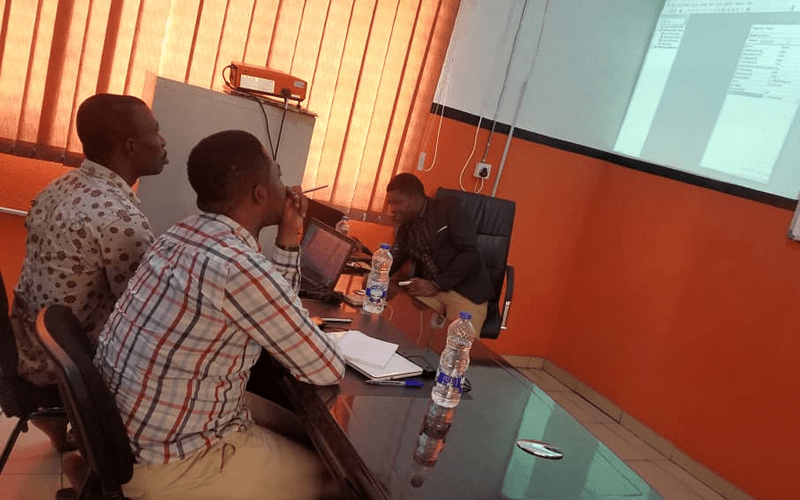
Tackling taxes in Nigeria might sound complicated, but it doesn't have to be. Getting a grasp on the basics of Nigeria's tax laws and using simple planning strategies can help individuals and businesses handle their tax responsibilities more effectively.
1. Types of Taxes:
Nigeria has different types of taxes, mainly Direct Taxes (on individuals and businesses) and Indirect Taxes (on goods and services). Examples include Personal Income Tax, Company Income Tax, Value Added Tax (VAT), and Customs Duties.
2. Personal Income Tax (PIT):
If you earn money in Nigeria, you pay Personal Income Tax. Know the different tax rates, keep track of your income sources, and report accurately for compliance.
3. Company Income Tax (CIT):
Companies operating in Nigeria are subject to Company Income Tax. The regular rate is 30%, but small companies with low profits might qualify for a reduced rate. Understanding deductions and allowable expenses is key for managing tax costs.
4. Value Added Tax (VAT):
VAT is a tax on goods and services. Businesses need to register for VAT, charge it on applicable transactions, and submit the collected VAT to the tax authorities.
5. Withholding Tax:
Withholding Tax is deducted at the source on specific income types, like interest and dividends. Businesses should be aware of the applicable rates and make timely payments.
6. Tax Planning Strategies:
Tax planning involves making smart financial choices to minimize taxes. Think about when you receive income and incur expenses, take advantage of available tax reliefs, and explore tax-efficient investments.
7. Professional Guidance:
For reliable advice, individuals and businesses can turn to tax experts or consultants. They can guide you on compliance, identify eligible deductions, and keep you up-to-date with the latest tax rules.
8. Record-Keeping:
Keeping good financial records is crucial for tax compliance. Well-organized records ensure you can easily provide the necessary documents during tax assessments.
9. Regular Updates:
Stay informed about changes in Nigeria's tax laws. Tax regulations can evolve, so regular checks for updates will help you stay on top of your tax obligations.
In summary, getting the hang of Nigeria's tax system and using straightforward planning strategies is essential. By understanding different taxes, staying organized, seeking professional advice when needed, and keeping up with updates, you can navigate the world of taxation with confidence. Remember, a basic understanding and some proactive planning can make meeting your tax responsibilities a simple and manageable process.